Anti-Bullying Alliance and rights respecting schools award
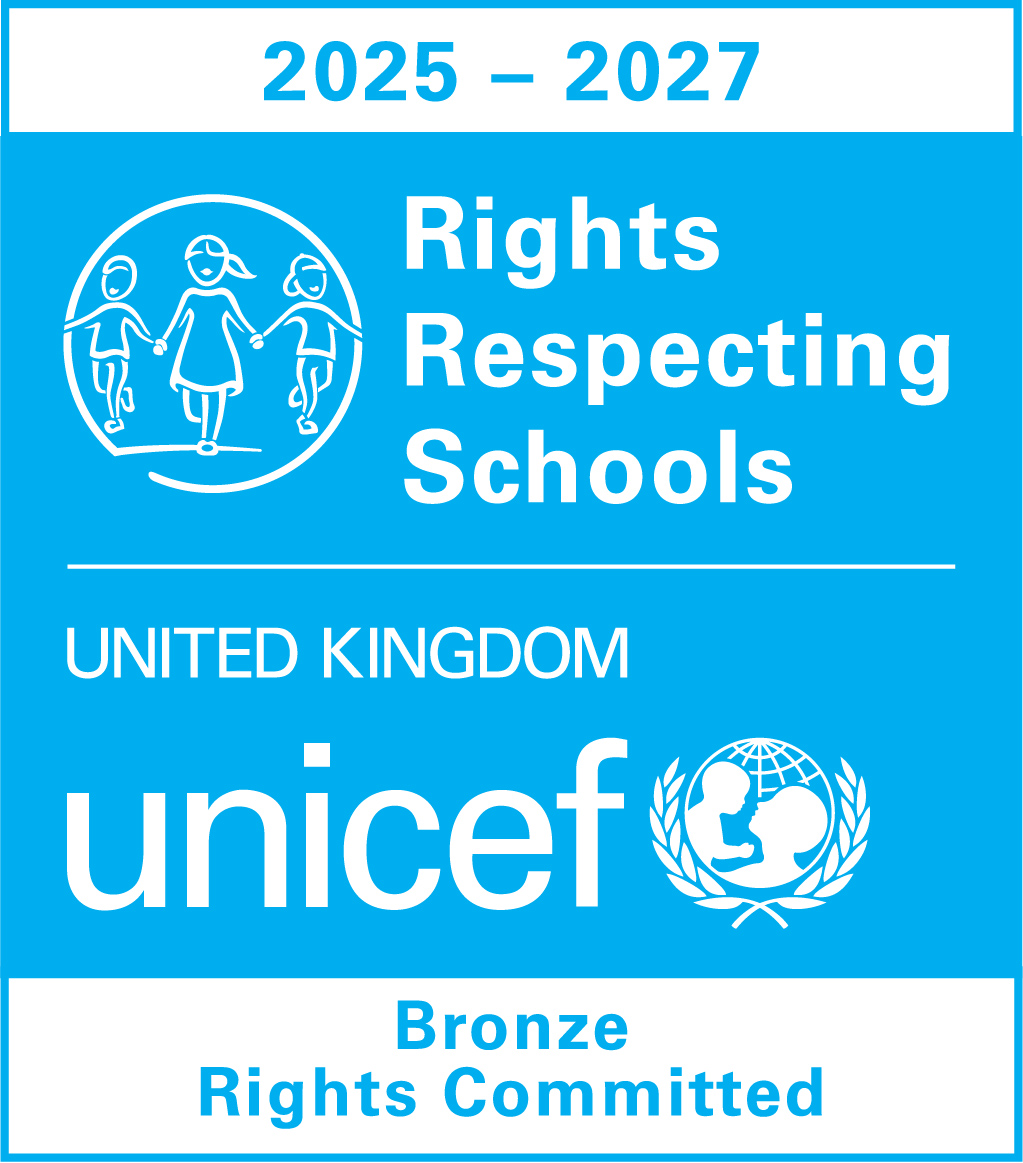
🌟 We are officially a Bronze Rights Respecting School! 🌟
Since September, Woodlands Primary School has been actively working towards achieving the Recognition of Commitment, the first stage in becoming a UNICEF UK Rights Respecting School. This commitment focuses on embedding the United Nations Convention on the Rights of the Child (UNCRC) into our school's ethos and curriculum, enabling pupils to gain a deep understanding of their rights and the associated responsibilities.
This award recognises our commitment to making sure every child at Woodlands feels safe, heard, and valued. We have started our journey to embed the UN Convention on the Rights of the Child into our school’s daily life and we couldn't be prouder of our students for their hard work and enthusiasm.
What is a Rights Respecting School Award? (RRSA)
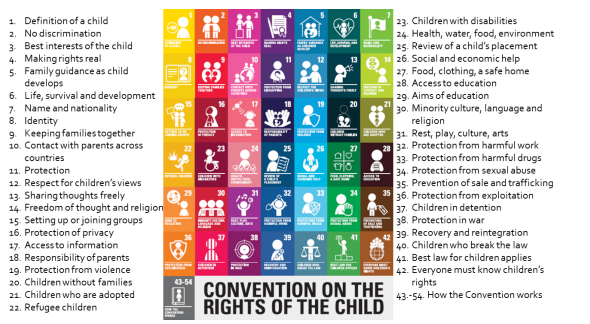
The UNCRC is an international treaty that sets out the civil, political, economic, social, and cultural rights of all children under 18. The Rights Respecting Schools Award (RRSA) helps a school community—children, staff, and adults—to understand and act on these rights.
The initiative is built on the following principles:
-
Teaching about rights: Educating children on the specific articles of the UNCRC (e.g., Article 28: the right to education; Article 31: the right to relax and play).
-
Teaching through rights: Modeling rights and respect in all relationships within the school, ensuring decisions and actions are rooted in the best interest of the child.
-
Teaching for rights: Empowering children to exercise their rights and become advocates for the rights of others, locally and globally.
The overarching goal is to create a safe, inspiring environment where children are respected, their talents are nurtured, and they are able to thrive and become responsible, active citizens.
| Level | Name | Description |
| Bronze | Rights Committed | The school has a plan in place and is clearly committed to becoming a rights-respecting school. |
| Silver | Rights Aware | The school has made good progress in embedding the UNCRC into its ethos and curriculum. |
| Gold | Rights Respecting | The UNCRC is fully embedded into the school's policies, practice, and culture, and the children see themselves as rights-respecting global citizens. |
Impact of a Rights Respecting School
-
Improved Well-being and Self-Esteem: Children understand they are valued and feel safer, knowing they have a voice and that their rights are non-negotiable.
-
Better Relationships and Behaviour: There is a common language of rights and respect used by both children and adults, leading to less conflict and bullying.
-
Increased Participation: Students are empowered to take an active role in school life and decision-making, such as through class charters or school councils.
-
Enhanced Global Citizenship: Children gain a wider, deeper understanding of the world and develop compassion for social justice issues at home and abroad
How can you support at home?
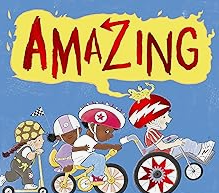
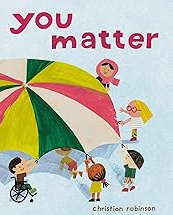
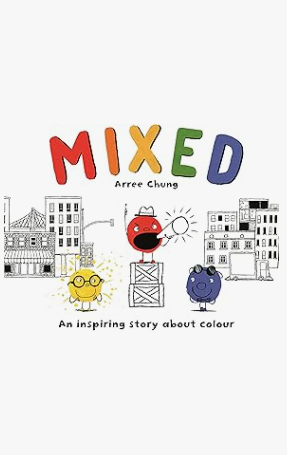
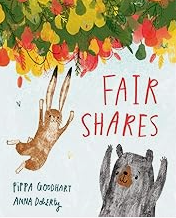
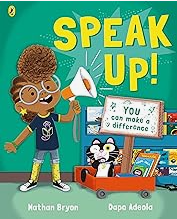
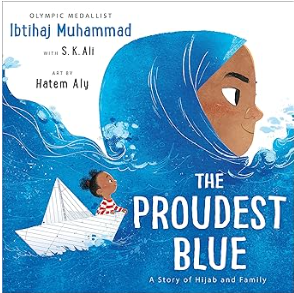
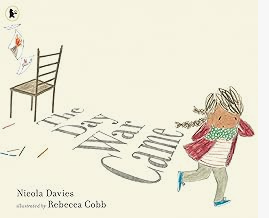
The most impactful way to support the initiative is by discussing and living out the principles of the UNCRC in your daily family life. Discover the stories that shape our values: Explore our snippet from the Rights Respecting Schools Award book list:
KS1:
KS2:
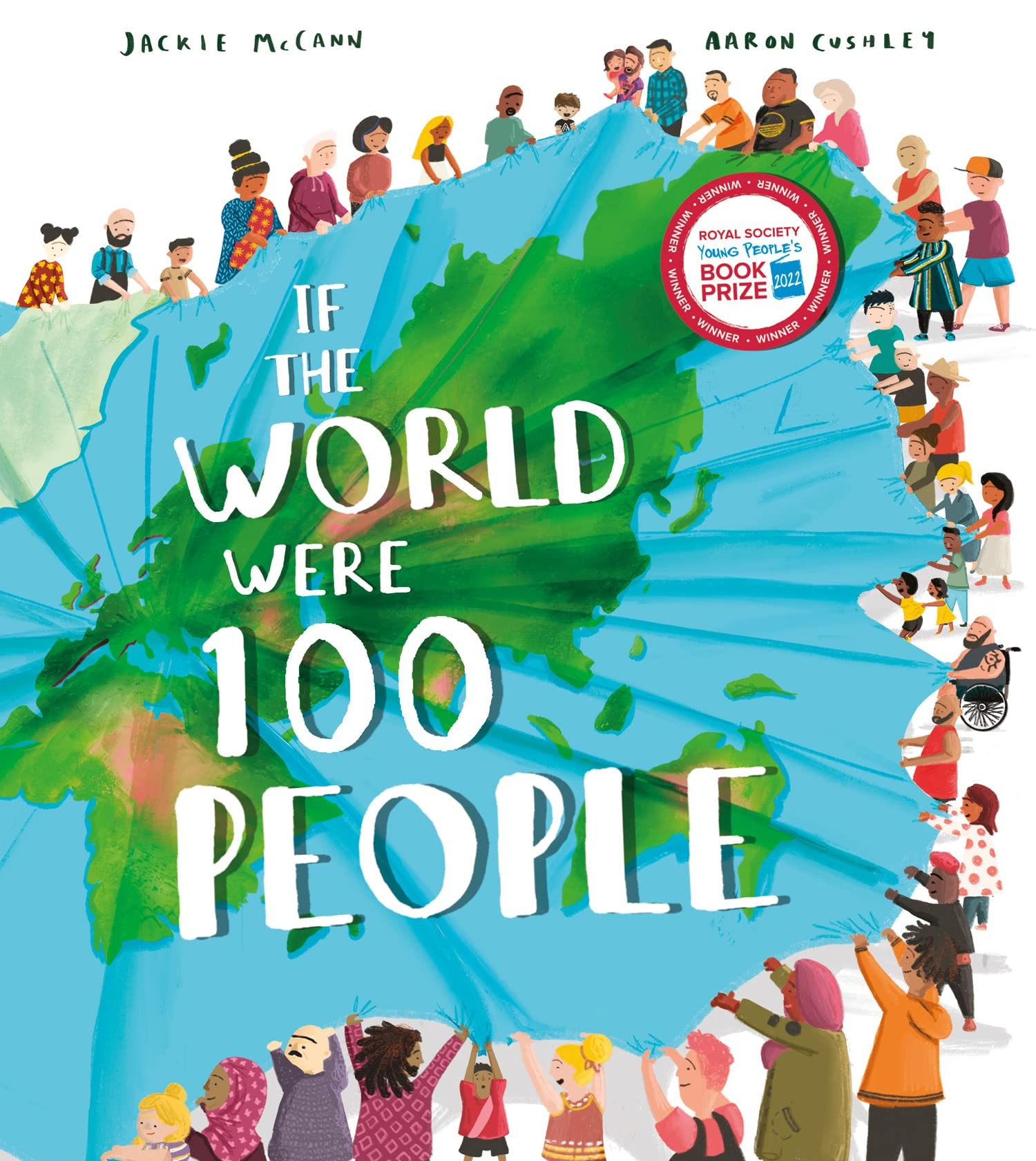
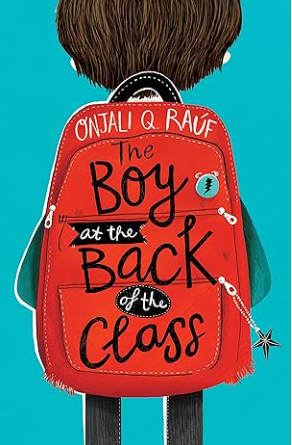
Rights Respecting Ambassadors
Our progress toward the Rights Respecting Schools Award is actively driven by our Steering Group, which operates with the remit of the School Council. This diverse committee includes pupils, teachers, and support staff. The children meet frequently to champion the pupil voice, ensuring their perspectives are central to our school ethos. Following their input, measurable actions are developed and implemented through a partnership with the school's adults.
Moving towards our silver award:
We are currently focusing on the 6 Rights of the Child to help our students grow into confident, respectful, and empowered individuals.
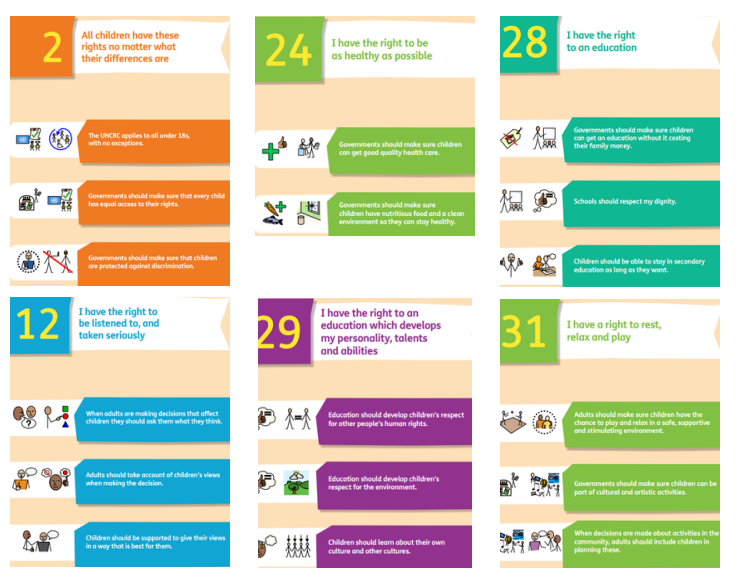
This will be our main focus rights to begin with. By discussing these rights with your children at home, you're helping them understand their value and the value of others. A simple "What did you learn about your rights today?" "Which of the 6 rights do you think is the most important?" Goes a long way!
Anti-Bullying Alliance:
Our school is proud to be a member of the Anti-Bullying Alliance, a national organisation dedicated to reducing bullying and promoting safer, more supportive school communities. Through this membership, we gain access to expert training, evidence-based resources, and current guidance that help us strengthen our prevention strategies and respond effectively when issues arise. We also take part in national campaigns such as Anti-Bullying Week, which encourages pupils and staff to come together to raise awareness, celebrate kindness, and champion positive relationships. Being part of the Alliance reinforces our commitment to ensuring every child feels safe, respected, and valued, and supports us in continually improving our whole-school approach to wellbeing and inclusion.
How This Supports Our Wider Vision and the Rights Respecting School Award:
Our involvement in the Anti-Bullying Alliance also plays a vital role in supporting our broader school vision of helping to bring an end to bullying and creating a culture rooted in respect, empathy, and fairness. The practical strategies and training we access through the Alliance complement our work towards achieving the Rights Respecting School Award, as both initiatives are firmly grounded in the belief that every child has the right to be protected, listened to, and treated with dignity. While the Anti-Bullying Alliance provides us with specific tools to prevent bullying and promote positive behaviour, the Rights Respecting School Award encourages us to embed children’s rights into everyday school life, from classroom expectations to leadership and decision-making. Together, these commitments enable us to build a school community where pupils feel confident, included, and empowered to speak up, ensuring that respect and kindness underpin all we do.