Supporting emotions
At Woodlands, we recognise that as children grow and learn, they begin to experience different emotions. It can be difficult for them to understand and process their feelings at first.
It may take some time for your child to learn how to manage and respond to their emotions.
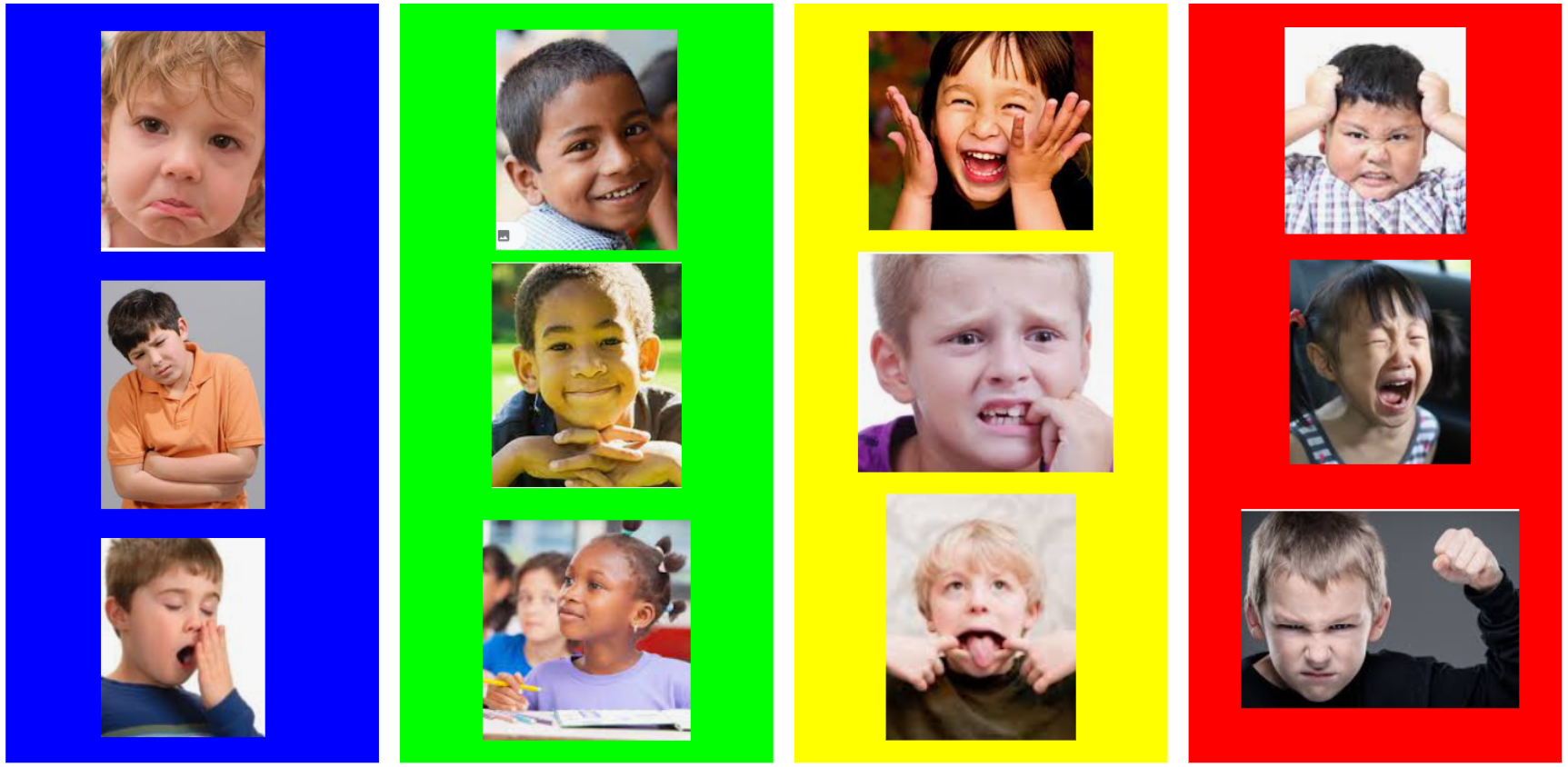
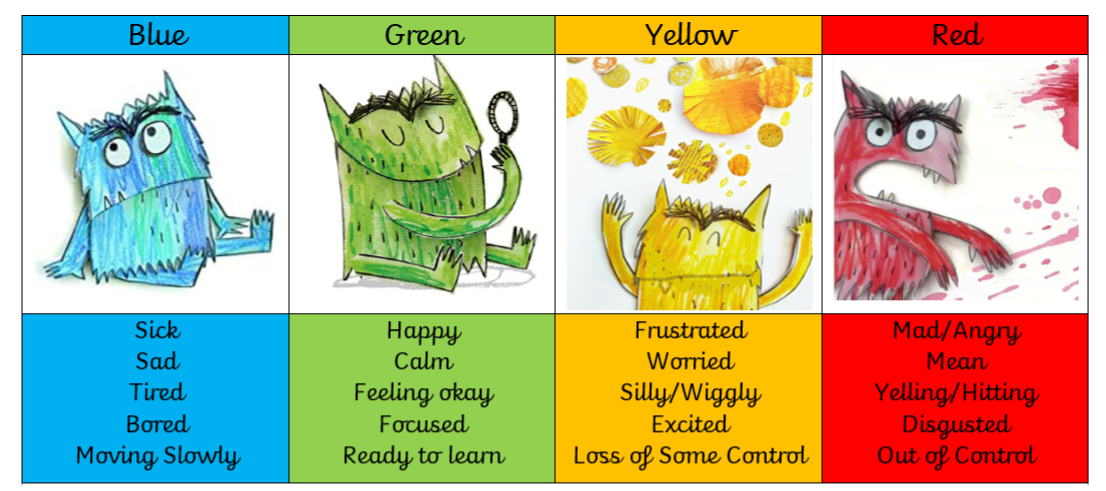
We use Zones of Regulation to help children to do this in a child-friendly way. We use photos and the characters from the book The Colour Monster to support this.
Staff use scripts and emotion coaching to help children to get back to the green zone.
The PACE Therapeutic Approach (Dan Hughes)
At Woodlands, we also support children by using the PACE approach. Developed by clinical psychologist Dr Dan Hughes, this model helps children with trauma, attachment difficulties, or behavioural challenges feel safe, seen, and supported.
-
Playfulness: Using a light, fun tone to communicate, reducing conflict.
-
Acceptance: Offering unconditional positive regard, validating feelings without judgment.
-
Curiosity: Exploring the "why" behind a child’s actions without lecturing.
-
Empathy: Showing you understand the child's distress and are with them.
It is an approach to forming relationships with children who are struggling, helping us become more aware of ourselves and others. However, it can be part of our universal offer to benefit all children.
When we use PACE, children tend to respond more openly, with greater trust and interest in us as people. It helps to break down resistance.
Core Philosophy: "Connection before correction".
This is a powerful way to build a secure base for vulnerable children without being intrusive. Using the PACE approach (Playfulness, Acceptance, Curiosity, Empathy) in a 2-minute micro-interaction ensures the child feels seen, safe, and valued.
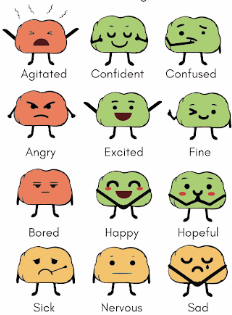
We have also developed a Social, Emotional and Mental Health support pack that helps children unpack their emotions and understand how they feel physically. It helps them name what they are feeling, realise that everyone experiences these emotions, and learn healthy ways to manage and respond to them.
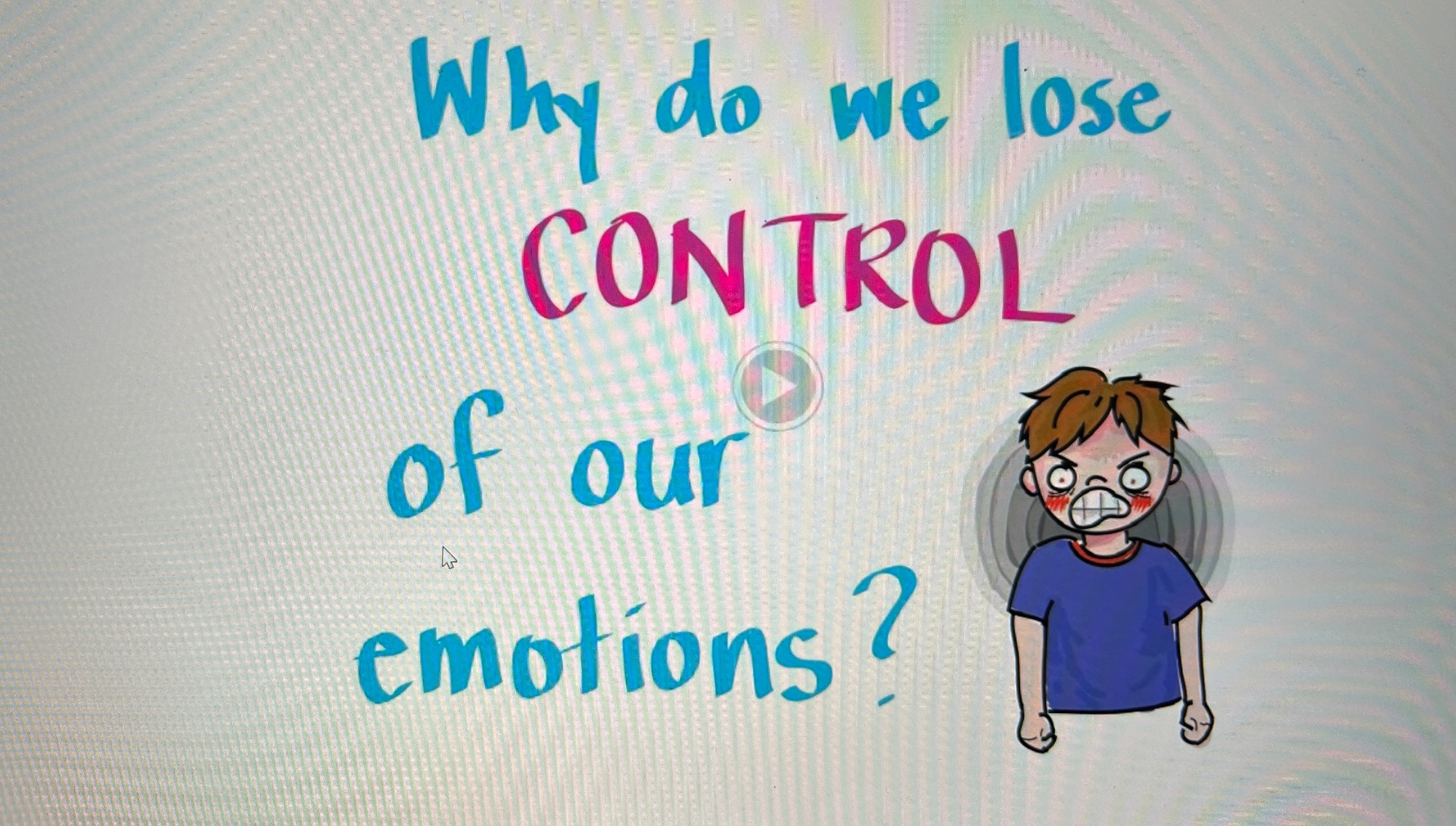
Click here for a useful video for both parents and children to help explain what happens when children have difficulty regulating their emotions.
Inside Out- Emotional Intelligence